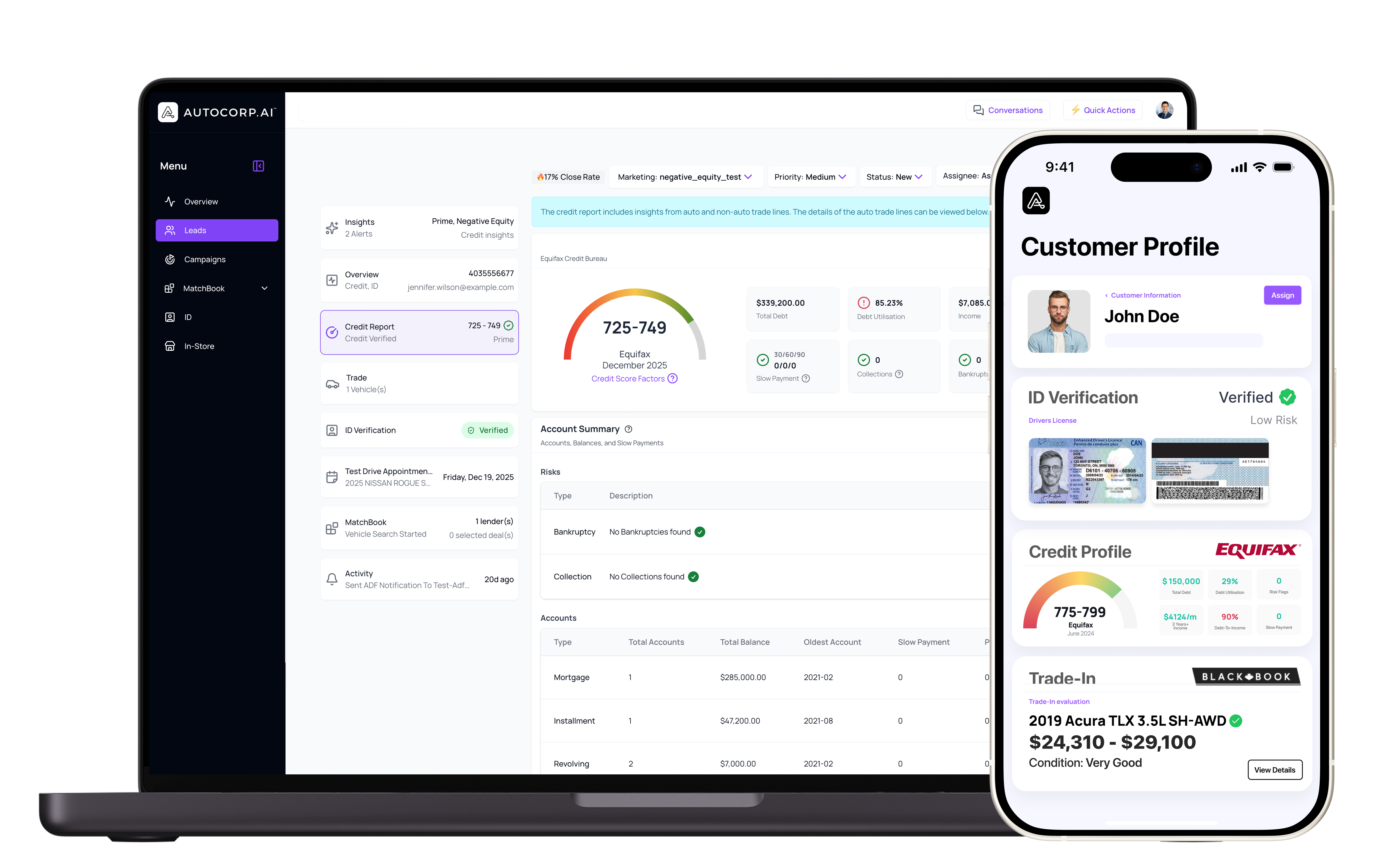

The automotive industry is entering a new era of digital responsibility. As dealerships adopt advanced tools like credit pre-qualification systems, digital trade-in solutions, ID verification, and connected retailing platforms, the amount of data they handle has never been greater. And with that surge comes a stricter regulatory environment.
In 2026, privacy regulations are tightening across North America. Consumers expect transparency, lawmakers are increasing enforcement, and dealerships that don’t adapt risk costly penalties, damaged reputations, and lost customer trust.
The good news is that staying compliant doesn’t have to be complicated. With modern technology, smart policy planning, and a proactive mindset, dealerships can move from reactive to resilient. Here’s how to stay ahead of privacy regulations in 2026 and protect both your customers and your business.
Dealerships handle more sensitive data than nearly any other retail sector. A typical customer journey includes identity information, employment details, credit files, income documents, trade-in records, and even biometrics if digital ID verification is used.
In 2026, several industry pressures are converging:
To remain competitive, dealerships must show customers that their information is handled securely, ethically, and with full consent.

Legacy workflows, such as paper credit applications or unencrypted email attachments, create major compliance risks.
To future-proof your process:
Platforms like AVA™ Credit and AVA™ ID are examples of modern systems that streamline how dealerships collect and store sensitive data. Digital-first tools reduce human error, ensure data is encrypted end to end, and create cleaner audit trails for compliance verification.
One of the biggest regulatory shifts coming in 2026 is transparency. Legislators want to ensure consumers fully understand:
Dealerships that rely on outdated, vague consent language will be the ones hit hardest by audits and complaints.
To stay compliant and build trust:
A strong transparency framework not only protects your dealership, it reassures customers and increases conversion rates.
Fraud is rising sharply in auto retail, especially with online shopping and remote financing. Regulators are placing new expectations on dealerships to verify customer identity before processing deals or credit applications.
In 2026, the standard is shifting toward:
These systems protect customers from identity theft and protect dealerships from fraudulent transactions that could result in legal exposure.
Tools like AVA™ ID provide instant verification via link, facial match, document authentication, and secure data storage. This ensures compliance with privacy laws while reducing fraud without slowing down the customer experience.
Most privacy regulations require organizations to:
Many dealerships unintentionally store massive amounts of unnecessary data because they lack a structured retention policy.
Here’s how to get ahead of it:
A minimal-data approach reduces liability and makes your dealership a smaller target for cyberattacks.

Privacy and cybersecurity now go hand in hand. In 2026, regulators expect dealerships to show that they actively protect customer information through:
Cyber breaches are costly, but preventable. One compromised laptop or breached email account can expose thousands of credit files.
Working with vendors that follow high-level security standards ensures your systems remain compliant and resilient.
Compliance in 2026 is not a one-time project, it’s an ongoing practice. Most privacy violations come from human error, not system flaws.
Your team should know:
It only takes one mistake to create a privacy complaint or breach. Continuous training protects your dealership and empowers your staff.
Dealerships rely on dozens of digital tools, including CRM platforms, credit systems, websites, appraisal tools, DMS software, and marketing integrations. But not all tools are built with privacy in mind.
When evaluating vendors in 2026, ask:
Working with privacy-first partners ensures you’re not exposed to liabilities caused by tech providers that cut corners.
Audits are becoming a yearly requirement for many dealerships. They help you:
A simple audit checklist should cover:
Regular audits ensure your dealership stays compliant even as regulations evolve.
Privacy regulations in 2026 aren’t meant to create friction. They’re designed to protect customers in a digital-first automotive market. Dealerships that adopt privacy-forward processes will earn more trust, convert more online shoppers, and reduce costly risks.
The dealerships that win in 2026 will be the ones that:
Privacy isn’t just compliance, it’s competitive advantage.
Dealerships that stay ahead of the curve will build stronger relationships, close more confident buyers, and stand out in an increasingly digital automotive landscape.